Affiliate Disclosure: 3DPrintCost.app is a participant in the Amazon Services LLC Associates Program. We earn from qualifying purchases at no extra cost to you.
Best 3D Printers of 2026 — Tested & Reviewed
We've tested and compared over 120 3D printers to bring you the definitive guide for 2026. Whether you're a complete beginner looking for your first printer under $200, or a professional needing carbon fiber capability, our hands-on reviews and real-world benchmarks will help you find the perfect machine. Every printer on this page has been evaluated for print quality, speed, reliability, and value for money.
Bambu Lab
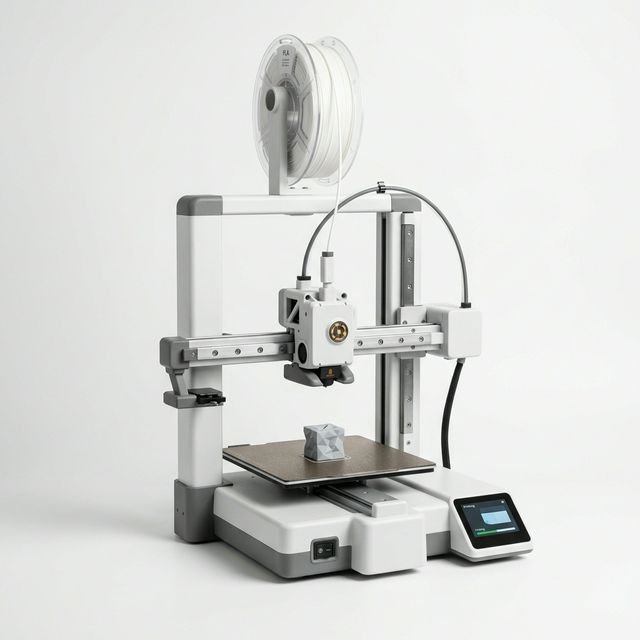
Bambu Lab A1 Mini
The Bambu Lab A1 Mini is the perfect entry point into high-speed 3D printing. Despite its compact size, it delivers outstanding print quality with minimal setup required.
Bambu Lab
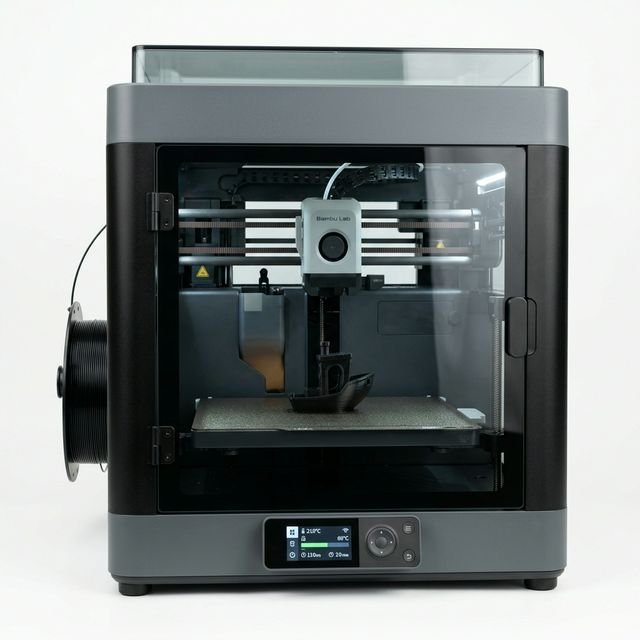
Bambu Lab P1S
The Bambu Lab P1S is the gold standard for mid-range 3D printers. Its enclosed design, blazing speed, and multi-material support make it the best value for serious makers.
Bambu Lab
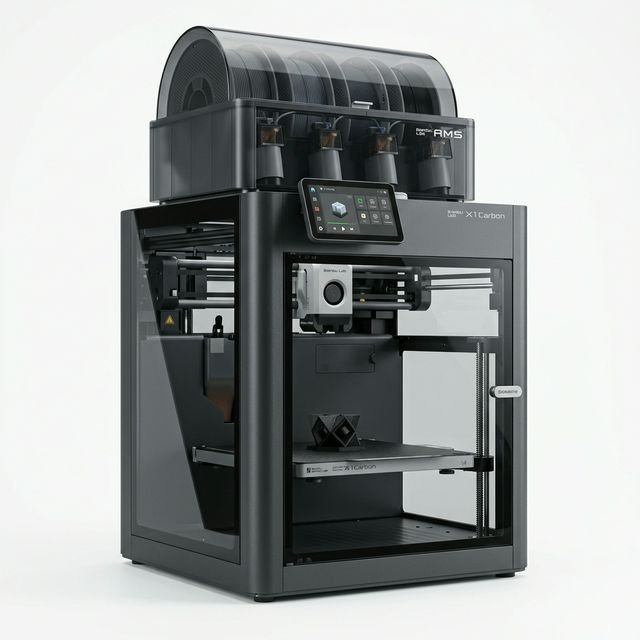
Bambu Lab X1 Carbon
The Bambu Lab X1 Carbon is the ultimate prosumer 3D printer. With its hardened nozzle, LiDAR inspection, and ability to handle carbon fiber composites, it bridges the gap between hobbyist and professional.
Creality
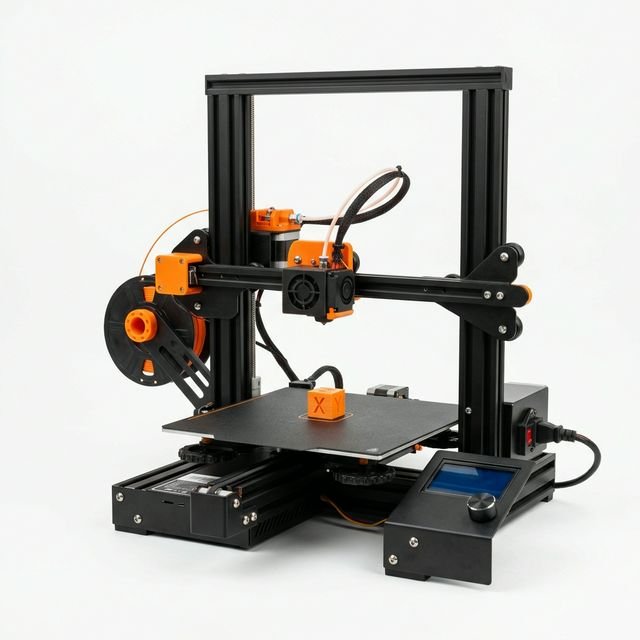
Creality Ender 3 V3 SE
The Ender 3 V3 SE is the best budget 3D printer in 2026. With auto leveling and a direct drive extruder at under $200, it makes 3D printing accessible to everyone.
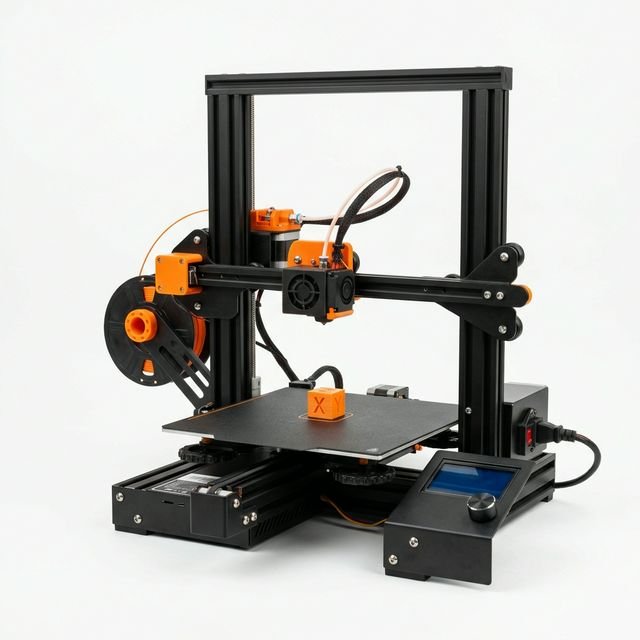
Creality
Creality Ender 3 V3 KE
The Ender 3 V3 KE brings high-speed printing to the budget market. With WiFi connectivity and 500mm/s speeds, it competes with printers twice its price.
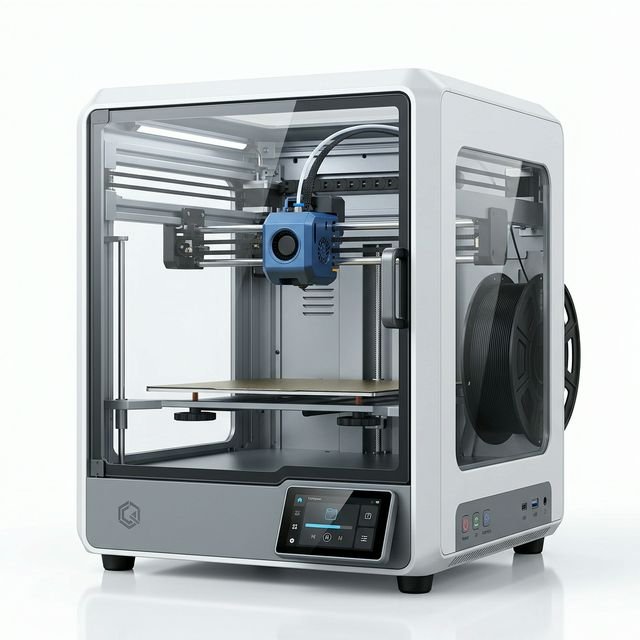
Creality
Creality K1C
The Creality K1C is Creality's answer to the Bambu Lab P1S. With its enclosed design, carbon fiber capability, and 600mm/s speeds, it offers tremendous value for mid-range buyers.
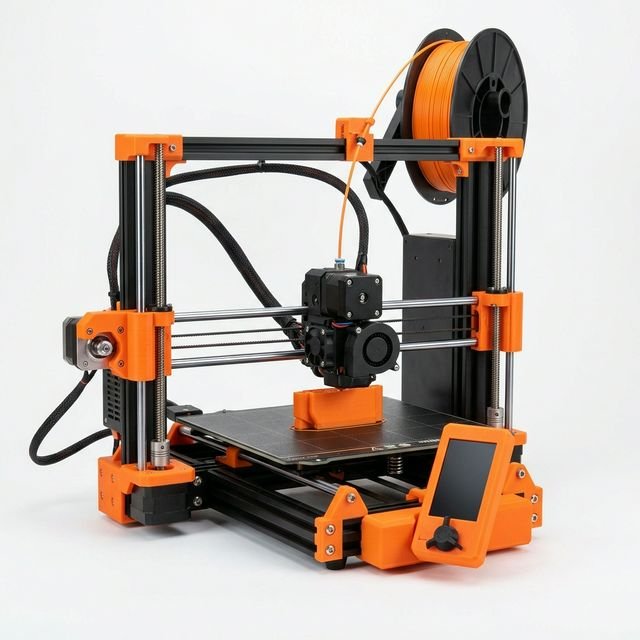
Prusa Research
Prusa MK4S
The Prusa MK4S carries on the legacy of the most trusted name in 3D printing. While not the fastest, its reliability, open-source philosophy, and community support make it a top choice.
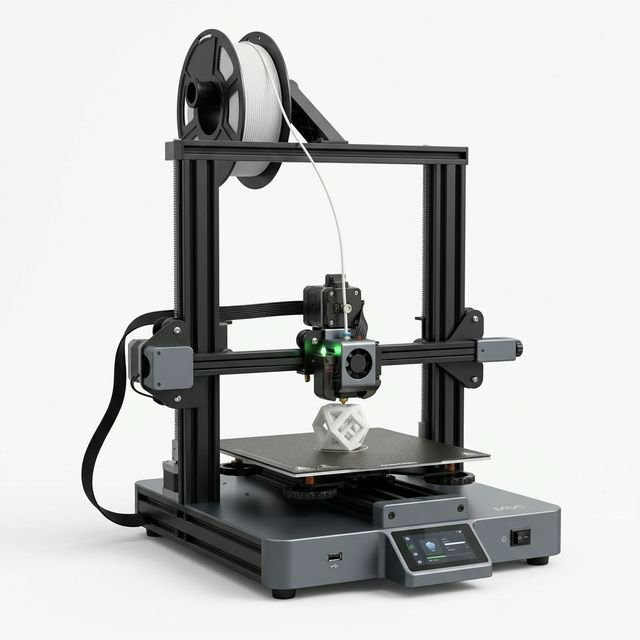
AnkerMake
AnkerMake M5C
The AnkerMake M5C brings Anker's consumer electronics expertise to 3D printing. With its polished app experience and reliable hardware, it's perfect for beginners who want a "just works" experience.
Elegoo
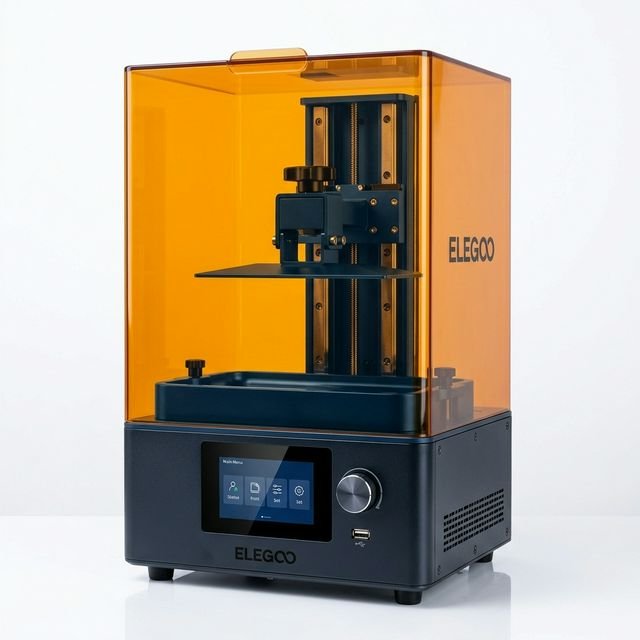
Elegoo Saturn 4 Ultra
The Elegoo Saturn 4 Ultra is the best resin 3D printer for hobbyists and miniature painters. Its 12K resolution produces stunningly detailed prints that FDM printers simply cannot match.
Elegoo
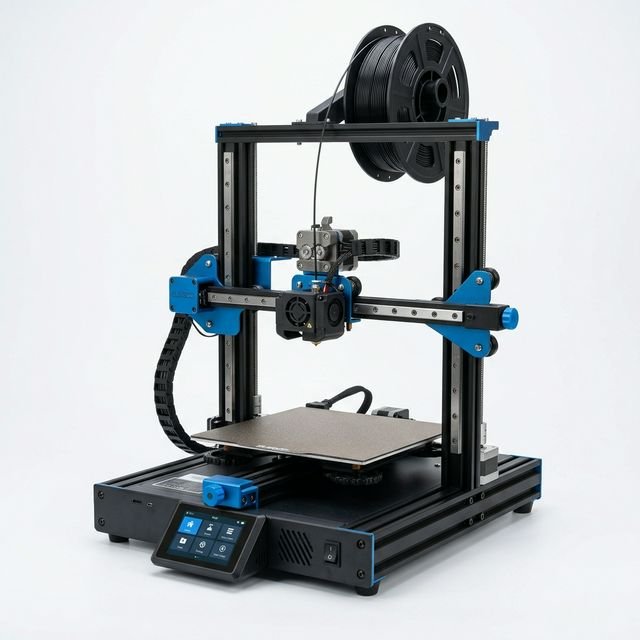
Elegoo Neptune 4 Pro
The Elegoo Neptune 4 Pro is a sleeper hit in the budget category. Running Klipper firmware with 500mm/s speeds, it punches well above its price point.
FlashForge
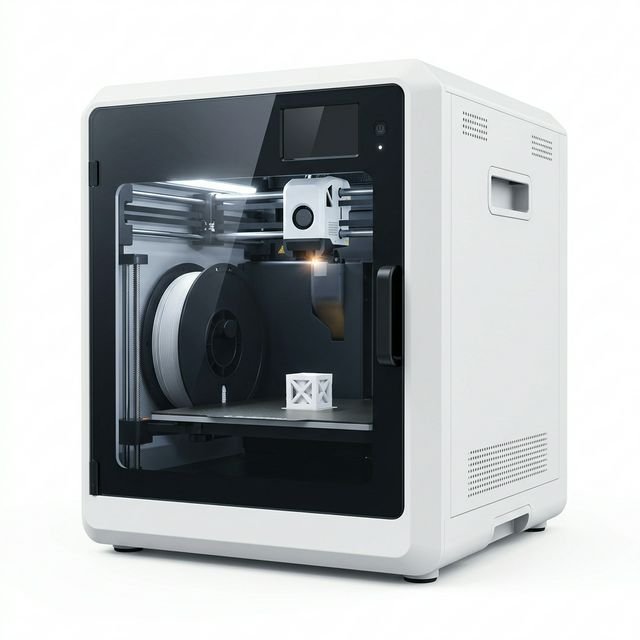
FlashForge Adventurer 5M Pro
The FlashForge Adventurer 5M Pro is a dark horse in the mid-range segment. Its enclosed design with HEPA filtration and 600mm/s speed make it ideal for office environments.
Artillery
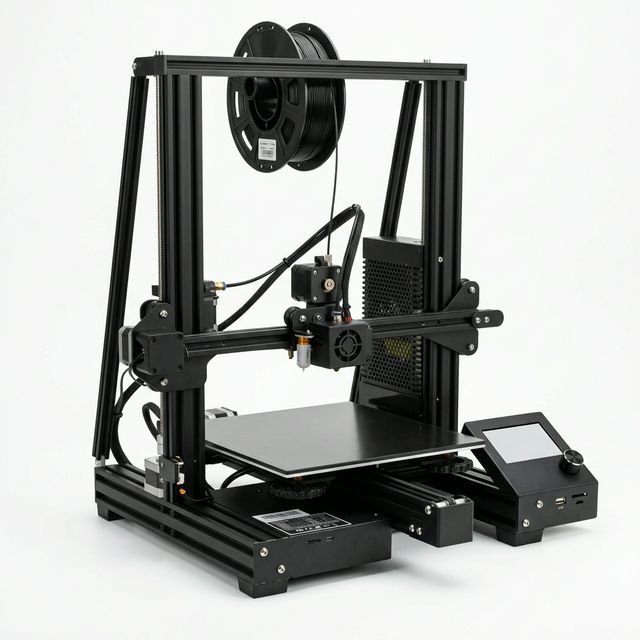
Artillery Sidewinder X3 Pro
The Artillery Sidewinder X3 Pro offers the largest build volume in its price range. If you need to print big, fast, and affordably, this is the printer to get.
How to Choose the Best 3D Printer in 2026
With over 100 3D printers on the market, finding the right one comes down to four key factors: budget, print quality, speed, and material compatibility. Beginners should start with a sub-$300 printer with auto bed leveling, while professionals need enclosed chambers for engineering-grade materials. Use our comparison tool to evaluate options side by side, and our cost calculator to understand the true cost of ownership.
3D Printer Buying Guide FAQ
What is the best 3D printer in 2026?
It depends on your budget. Under $300: the Bambu Lab A1 Mini. $300–$800: the Bambu Lab P1S. Over $800: the Bambu Lab X1 Carbon. For open-source fans, the Prusa MK4S remains the most reliable option. Browse our budget, mid-range, and professional categories for detailed reviews.
How much does a good 3D printer cost?
You can get an excellent 3D printer for $180–$300. The sweet spot for most users is the $200–$400 range, which gets you auto bed leveling, high-speed printing (200+ mm/s), and PLA/PETG compatibility. For professional use with enclosed chambers and carbon fiber support, expect to spend $600–$1,500. Use our cost calculator for a full breakdown.
FDM or resin — which type of 3D printer should I buy?
FDM printers are best for beginners, functional parts, and large objects. They're cheaper to operate and more forgiving. Resin (SLA/MSLA) printers produce higher detail but require post-processing, ventilation, and more careful handling of chemicals. Read our FDM vs Resin guide for a complete comparison.
What accessories do I need with a 3D printer?
Essential accessories include a tool kit, PEI build plate, spare nozzles, and a filament dryer for moisture-sensitive materials. See our complete accessories guide for our tested recommendations with Amazon prices.