PLA vs PETG vs ABS: Which 3D Printing Filament Should You Use?
A comprehensive comparison of PLA, PETG, and ABS filaments. Learn which material is best for your project based on strength, ease of use, and application.
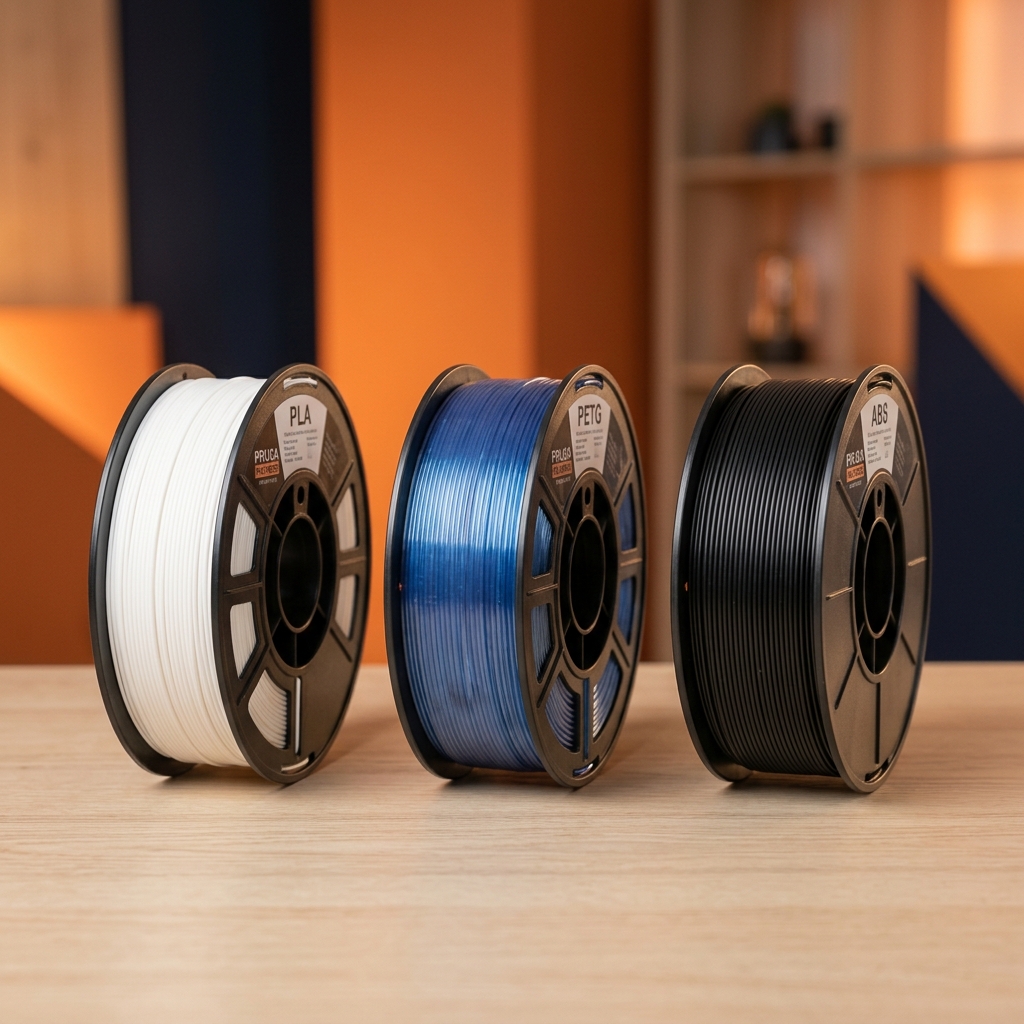
The Big Three: PLA, PETG, and ABS
Choosing the right filament is just as important as choosing the right printer. Each material has unique strengths that make it ideal for specific applications. Whether you're making decorative pieces, functional parts, or engineering prototypes, there's a perfect filament for your project.
PLA — The Beginner's Best Friend
Best for: Decorative prints, prototypes, figurines, general purpose
PLA (Polylactic Acid) is made from renewable resources like corn starch, making it biodegradable and eco-friendly. It's the easiest filament to print with — low temperature, minimal warping, and no heated enclosure needed. The variety of colors and finishes (matte, silk, rainbow) available makes it perfect for visual prints.
- ✅ Pros: Easy to print, low odor, biodegradable, vibrant colors, excellent detail
- ❌ Cons: Low heat resistance (softens at 60°C), brittle under stress, not food-safe without coating
PETG — The Versatile Workhorse
Best for: Functional parts, outdoor use, food-safe containers, mechanical components
PETG (Polyethylene Terephthalate Glycol) bridges the gap between PLA and ABS. It's stronger than PLA, more flexible, and water-resistant. It's also easier to print than ABS. PETG is the same family of plastic used in water bottles, making it food-safe when printed correctly.
- ✅ Pros: Strong and flexible, water-resistant, food-safe, chemical resistant, UV stable
- ❌ Cons: Strings more than PLA, scratches easily, can be tricky to dial in
ABS — The Industrial Standard
Best for: Engineering prototypes, heat-resistant parts, automotive components, enclosures
ABS (Acrylonitrile Butadiene Styrene) is what LEGO bricks are made from. It's strong, heat-resistant, and can be sanded, painted, and acetone-smoothed for a professional finish. However, it requires an enclosed printer and proper ventilation due to fumes.
- ✅ Pros: Heat resistant (up to 100°C), strong and durable, sandable, paintable, acetone-smoothable
- ❌ Cons: Requires enclosure, emits fumes (ventilation needed), prone to warping, challenging to print
Complete Comparison Table
| Property | PLA | PETG | ABS |
|---|---|---|---|
| Print Temp | 190-220°C | 230-250°C | 230-260°C |
| Bed Temp | 20-60°C | 70-85°C | 95-110°C |
| Enclosure Needed | ❌ No | ⚡ Optional | ✅ Yes |
| Strength | ⭐⭐ | ⭐⭐⭐⭐ | ⭐⭐⭐⭐⭐ |
| Flexibility | ⭐ (Brittle) | ⭐⭐⭐⭐ | ⭐⭐⭐ |
| Heat Resistance | 60°C | 80°C | 100°C |
| UV Resistance | ❌ Poor | ⭐⭐⭐ | ⭐⭐ (yellows) |
| Difficulty | 🟢 Beginner | 🟡 Beginner | 🔴 Intermediate |
| Odor | Sweet/mild | None | Strong (toxic) |
| Post-Processing | Sand only | Sand only | Acetone smooth |
| Cost per kg | ~$20 | ~$18 | ~$23 |
Which Should You Choose?
- Just starting out? → PLA. No question. Start here and learn the fundamentals.
- Need functional parts? → PETG. Best balance of printability and performance.
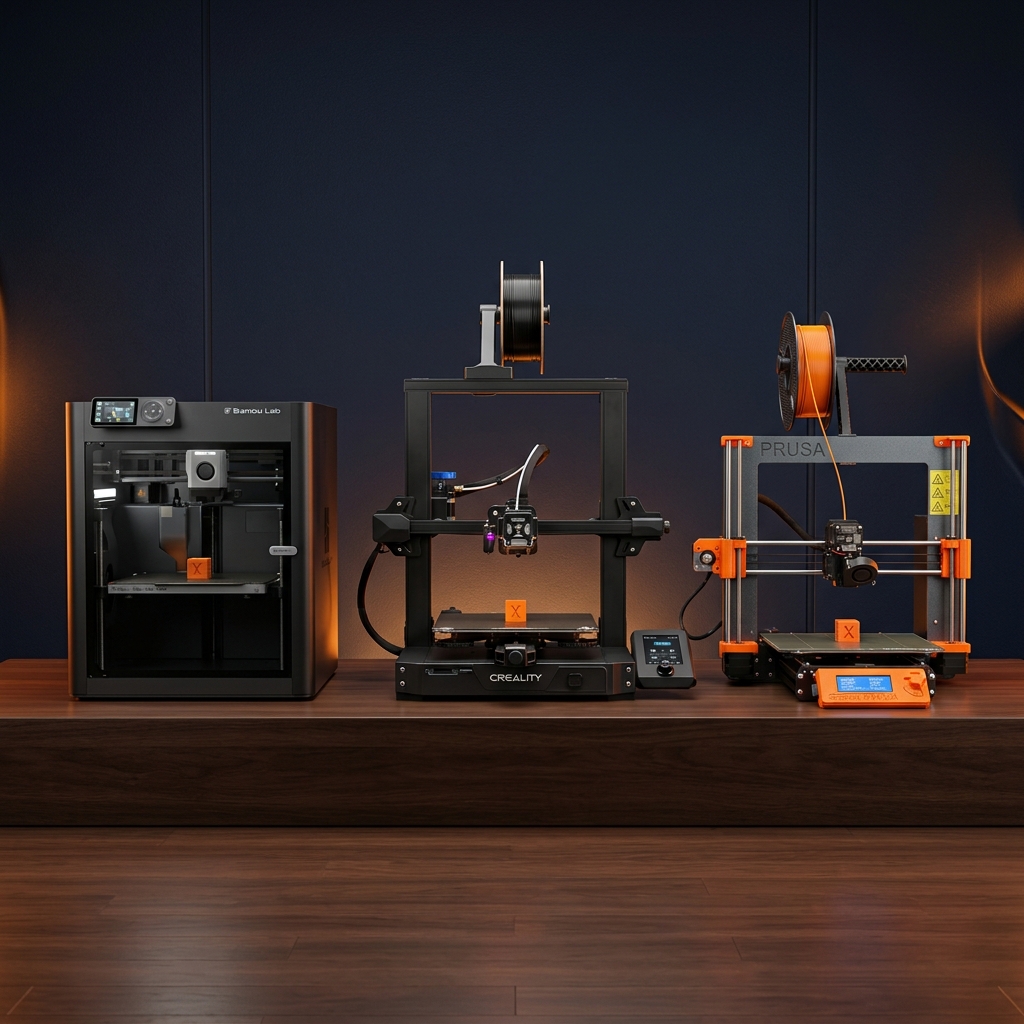
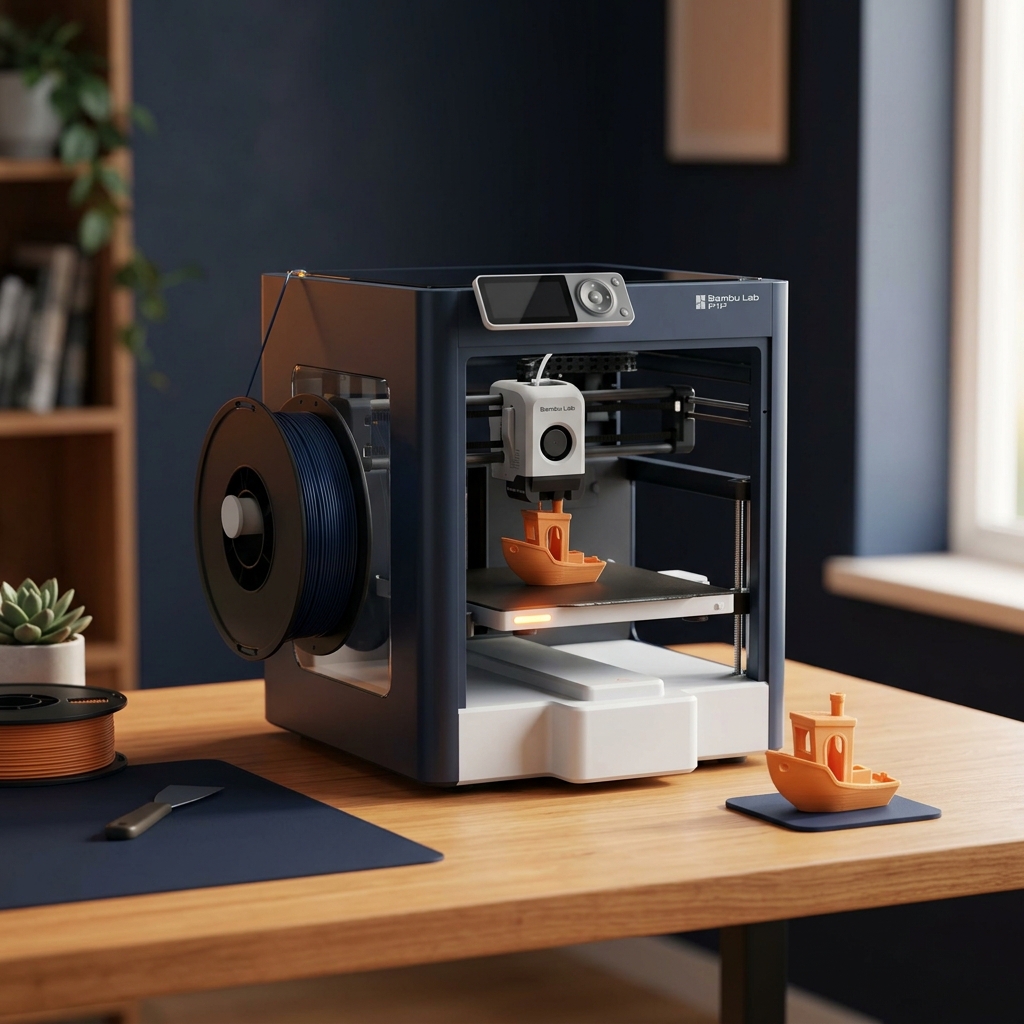
- Engineering applications? → ABS. But only if you have an enclosed printer like the Bambu Lab P1S or Creality K1C.
- Outdoor use? → PETG for most cases, or ASA (UV-resistant alternative to ABS).
- Flexible parts? → TPU is what you need (phone cases, gaskets, shoe insoles).
Pro Tip: PLA+ Is the Sweet Spot
If you want something stronger than regular PLA but easier than PETG, try PLA+. Brands like eSUN PLA+ offer improved layer adhesion and impact resistance while maintaining PLA's easy printability. It's our most recommended filament for intermediate users who want reliable, strong prints without the hassle of tuning PETG settings.
🛒 Check eSUN PLA+ Price on AmazonNeed an enclosed printer for ABS? Check our recommendations:
🛒 Check Bambu Lab P1S Price on Amazon 🛒 Check Creality K1C Price on AmazonRelated Articles
Ready to Start Printing?
Browse our tested and reviewed 3D printers to find the perfect match for your needs and budget.